

Corporate offsites are a proven way to boost employee engagement, strengthen team bonds, and drive productivity. However, not all teams function in the same way, and a one-size-fits-all offsite may fail to meet individual team needs. To maximize the impact of your corporate outings, it’s essential to customize offsite experiences for different teams based on their roles, dynamics, and objectives. Whether your goal is team-building, skill development, or employee wellness, tailoring offsite experiences ensures that each team derives maximum value while having an enjoyable and memorable time. In this guide, we’ll explore how to customize corporate offsite experiences for different teams, step by step. Before planning an offsite, understand the composition, objectives, and preferences of each team. Teams in different functions often have distinct goals: Sales Teams: Require motivation, competitive activities, and reward-based experiences Creative Teams: Benefit from brainstorming workshops, art activities, or innovation exercises Technical Teams: Prefer problem-solving challenges, hackathons, or strategy games Operations Teams: Enjoy collaborative exercises and efficiency-focused workshops Leadership Teams: Require strategic discussions, leadership challenges, and executive retreats Tips Conduct surveys to gauge preferences Hold team meetings to understand their expectations Identify team strengths and challenges Understanding these differences ensures that each offsite addresses team-specific goals. Every customized offsite must have a clear objective. Objectives help guide activity selection, venue choice, and scheduling. Examples include: Building Collaboration: For teams with siloed departments Enhancing Creativity: For innovation-driven teams Boosting Morale: For high-pressure teams Rewarding Achievements: For sales and high-performance teams Skill Development: For leadership or technical teams By defining clear objectives, the offsite becomes more than a fun event—it becomes a strategic tool to strengthen the team. Different teams thrive in different environments. Choosing a venue that complements the team’s objectives can significantly enhance the offsite experience. Examples Sales or Marketing Teams: Beach resorts or city escapes for high-energy activities and networking Creative Teams: Quiet retreats in nature, boutique resorts, or artistic spaces for brainstorming and workshops Technical Teams: Locations with problem-solving and adventure-based challenges, like hill stations or adventure resorts Leadership Teams: Executive retreats in premium resorts or wellness destinations Tips Consider accessibility and travel convenience Ensure the venue has suitable facilities for planned activities Account for team size when selecting accommodation The right venue sets the tone and maximizes engagement. One of the most critical steps in customizing offsites is choosing activities that resonate with each team’s objectives. A. Sales & High-Performance Teams Competitive games like treasure hunts or sports tournaments Reward ceremonies or recognition activities High-energy adventure activities like rafting, ziplining, or obstacle courses B. Creative & Marketing Teams Brainstorming workshops or innovation labs Collaborative art projects or design challenges Storytelling exercises or creative writing sessions C. Technical & IT Teams Hackathons or coding challenges Escape rooms or logic-based games Strategy-based simulations D. Leadership & Executive Teams Strategic planning workshops Negotiation and decision-making games Leadership boot camps or nature-based reflection exercises Tailoring activities ensures that teams gain practical benefits while having fun. Team-building exercises should reflect the team’s dynamics and challenges: Cross-functional Teams: Activities that require collaboration across departments New Teams: Ice-breakers, communication games, and trust exercises Experienced Teams: Advanced challenges that push creativity, leadership, or strategic thinking Examples of Customizable Exercises Problem-Solving Challenges: Teams solve real or simulated work challenges Outdoor Adventure Activities: Trekking, rafting, or team sports Wellness Workshops: Yoga, mindfulness, or meditation sessions Custom exercises help teams improve real-world skills in a relaxed and engaging environment. Logistics also play a key role in customizing offsites. Catering, accommodation, and scheduling should consider team-specific preferences: Key Factors Meal Preferences: Vegan, vegetarian, or gluten-free options based on team members’ needs Room Allocation: Teams that benefit from shared rooms for bonding vs. privacy for leadership retreats Activity Timing: High-energy teams in the morning, reflective teams in the afternoon Tips Send pre-offsite questionnaires to understand dietary and comfort preferences Allocate dedicated coordinators to manage team-specific logistics Use technology to share schedules and updates Smooth logistics enhance team satisfaction and engagement. Even when customizing offsites, it’s important to maintain a balance of work, fun, and learning: Work: Skill-building workshops, strategic discussions, or problem-solving exercises Fun: Adventure sports, games, or social activities Learning: Industry talks, creative brainstorming sessions, or leadership training This balance keeps employees engaged while making the offsite both productive and enjoyable. Every team behaves differently during an offsite. Observing team interactions helps adjust activities in real-time: Facilitate group discussions to identify issues or gaps Encourage team leaders to provide feedback throughout Modify activity schedules if some sessions aren’t resonating Monitoring ensures that the offsite continues to deliver value and engagement for each team. After the offsite, collecting feedback is essential to measure the impact and refine future experiences: Conduct surveys tailored to team-specific objectives Ask open-ended questions about activities, venue, and logistics Analyze participation, engagement levels, and employee satisfaction Benefits Improves future offsite planning Shows employees that their opinions are valued Aligns future offsites with team goals and preferences Here are some key best practices to keep in mind: Segment Teams by Objective: Treat each team as a separate group for planning purposes Leverage Employee Preferences: Use surveys or meetings to understand what works Include Flexible Schedules: Allow optional activities for employees with varying energy levels Hire Professional Offsite Planners: Experienced planners can create tailored experiences efficiently Communicate Clearly: Ensure every team knows the schedule, objectives, and expectations Following these best practices ensures that your offsite is highly engaging and meaningful for every team. Customizing offsite experiences for different teams is not just a luxury—it’s a strategic approach to enhancing engagement, building stronger teams, and improving overall productivity. By understanding each team’s objectives, choosing the right venue, tailoring activities, and focusing on personalized logistics, companies can create memorable, impactful offsite experiences. Whether it’s high-energy adventure for sales teams, creative workshops for marketing, problem-solving challenges for technical teams, or leadership retreats for executives, customization ensures that every participant leaves energized, motivated, and connected. Investing in team-specific offsite planning is an investment in your company’s culture, employee satisfaction, and long-term success.1. Understand the Unique Needs of Each Team
2. Define Objectives for Each Team Offsite
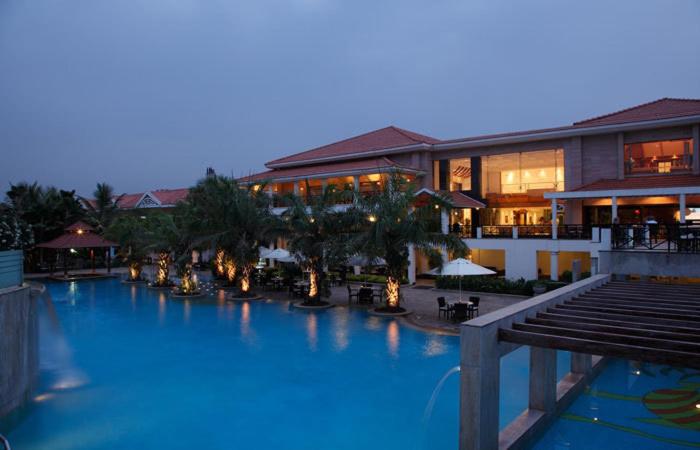
3. Choose the Right Venue Based on Team Preferences
4. Tailor Activities to Team Goals
5. Customize Team-Building Exercises
6. Incorporate Personalization in Logistics
7. Balance Work, Fun, and Learning
8. Monitor Team Dynamics During the Offsite
9. Gather Feedback and Measure Success
10. Best Practices for Customizing Offsites
Conclusion:






We provide a one-stop solution for all corporate offsite, events, and team outings - International & domestic. We curate experiences personalized to every company's need.