

As remote and hybrid work models continue to reshape the modern workplace, organizations are seeking new ways to strengthen team culture, improve collaboration, and maintain employee engagement. One of the most effective approaches is hosting virtual or hybrid offsites—events designed to unify remote employees through purposeful activities, strategic planning, and relationship-building experiences.
Unlike traditional offsites that rely on physical spaces and in-person interactions, virtual and hybrid formats require thoughtful planning, seamless technology, and creative programming. When executed well, they can deliver the same benefits as in-person gatherings—and in many cases, offer even more flexibility and inclusivity.
This comprehensive guide outlines everything you need to plan successful virtual and hybrid offsites for remote teams, from goal-setting to activity ideas, technology tips, and best practices.
Why Virtual and Hybrid Offsites Matter for Remote Teams
Remote work provides flexibility, autonomy, and global talent access—but it can also create challenges:
- Reduced social interaction
- Communication gaps
- Limited collaboration
- Feelings of disconnection
- Lack of shared culture
Virtual and hybrid offsites help bridge these gaps by bringing teams together in a structured, meaningful, and engaging way. These offsites promote:
- Team Bonding
Remote employees rarely meet face-to-face, making bonding activities crucial for building trust and rapport.
- Aligned Strategy
Offsites provide a focused space for goal-setting, brainstorming, and establishing shared objectives.
- Improved Communication
Interactive sessions enhance cross-team understanding and establish more effective communication patterns.
- Increased Engagement
Employees feel valued when companies invest in inclusive and enjoyable experiences.
- Stronger Company Culture
Shared experiences—virtual or in person—reinforce a sense of belonging and unity.
Virtual vs. Hybrid Offsites: What’s the Difference?
Before planning, it’s essential to understand the distinction:
Virtual Offsite
- Conducted entirely online
- Participants join from anywhere
- Affordable and accessible
- Ideal for fully remote teams and global organizations
Hybrid Offsite
- Combination of online and in-person participation
- Some employees gather onsite while others join virtually
- Requires more coordination and technology
- Great for distributed teams with regional clusters
Both formats can be equally effective when planned intentionally.
How to Plan a Virtual or Hybrid Offsite: Step-by-Step
- Define Clear Objectives
Start by determining what you want to accomplish:
- Team bonding
- Strategic alignment
- Innovation and brainstorming
- Training and skills development
- Celebration or recognition
- Cross-department collaboration
A successful offsite is purpose-driven. Objectives guide your agenda, activities, and communication style.
- Understand Your Team’s Needs
Gather input from employees through:
- Surveys
- Short polls
- Team leader discussions
Understand their preferences for:
- Session length
- Activity types
- Time zones
- Engagement styles
- Technology comfort levels
This ensures inclusivity and relevance.
- Choose the Right Format
Determine whether the offsite should be:
- Fully virtual
- In-person with a virtual livestream
- Regional meetups connected digitally
- A mix of both over multiple days
Larger organizations often blend formats to maximize participation.
- Build a Balanced Agenda
A well-structured agenda prevents fatigue and enhances participation.
Key elements to include:
- Welcome & kickoff session
- Team-building activities
- Breakout workshops
- Leadership talks or keynote speakers
- Interactive collaboration sessions
- Breaks to avoid screen fatigue
- Celebrations or award ceremonies
- Reflection and feedback time
Limit sessions to 60–90 minutes with breaks in between.
- Select the Best Tools and Technology
The success of virtual and hybrid offsites depends on reliable, easy-to-use digital tools.
Popular platforms:
- Zoom
- Microsoft Teams
- Google Meet
- Webex
- Hopin
- Airmeet
Collaboration tools:
- Miro
- MURAL
- Notion
- Trello
- Slack
Engagement add-ons:
- Kahoot
- Mentimeter
- Poll Everywhere
- Donut (Slack integration)
Invest in strong technical facilitation to avoid disruptions, especially for hybrid formats.
- Coordinate Hybrid Logistics
Hybrid offsites require extra preparation, including:
- Quality audio and video equipment
- Onsite facilitators
- Tech support teams
- Clear instructions for virtual attendees
- Room layouts that promote inclusivity
- Backup communication channels
Hybrid offsites succeed when both groups—virtual and on-site—feel equally valued.
- Incorporate Meaningful Team-Building Activities
Team bonding is at the heart of every offsite. Choose activities aligned with your company culture.
Virtual Team-Building Ideas
- Online escape rooms
- Virtual trivia or game shows
- Digital scavenger hunts
- Coffee meetups or networking sessions
- Storytelling or experience-sharing circles
- Wellness activities: guided meditation, yoga, or breathwork
Hybrid Team-Building Ideas
- Synchronized group challenges across locations
- Creative workshops (crafting, cooking, design)
- Innovation hackathons
- Hybrid team competitions with shared digital scoreboards
- Group volunteer activities with virtual coordination
Make activities short, inclusive, and fun.
- Promote Engagement Throughout the Offsite
Keep remote participants actively involved with:
- Live polls and Q&A
- Breakout rooms for deeper conversations
- Collaborative whiteboards
- Small group discussions
- Feedback prompts
- Contests, raffles, or participation incentives
Engagement should be continuous, not an afterthought.
- Support Employee Well-Being
Remote employees often experience screen fatigue, so build well-being into your offsite.
Include:
- Stretch breaks
- Guided meditation
- Nutrition or wellness talks
- Mental health mini-sessions
- Digital detox time
- Outdoor breaks for hybrid participants
Well-being activities reinforce balance and sustainability.
- Capture Insights and Follow Up
After the offsite:
- Send a feedback survey
- Review participation metrics
- Summarize key takeaways
- Share action items with deadlines
- Celebrate wins and recognize contributions
Follow-up is essential for turning offsite discussions into meaningful outcomes.
Top Benefits of Virtual + Hybrid Offsites
- Cost-Effective
Virtual events eliminate travel, accommodation, and venue costs. Hybrid formats allow partial in-person engagement without full expenses.
- Inclusive and Accessible
Remote employees from across the world can participate, regardless of location or schedule.
- Highly Flexible
Teams can mix formats, customize agendas, and host sessions in multiple time zones.
- Reduced Environmental Impact
Less travel means a lower carbon footprint, supporting corporate sustainability goals.
- Support for Employee Well-Being
Hybrid and virtual formats reduce time away from home and prevent burnout from long offsite travel.
Common Mistakes to Avoid
Avoid these pitfalls to ensure a smooth experience:
- Overloading the agenda
- Ignoring time zone differences
- Poor technology planning
- Lack of breaks
- Activities that don’t suit remote participation
- Not involving virtual attendees in hybrid sessions
- Forgetting to follow up
A great offsite is intentional, inclusive, and interactive.
Creative Themes for Virtual + Hybrid Offsites
Enhance engagement with a theme such as:
- Future Visioning & Innovation
- Recharge & Reset
- Global Connections
- Growth Mindset & Learning
- Collaboration Across Cultures
- Creative Problem Solving
Themes tie sessions together and elevate the experience.
Conclusion
In an era where remote and hybrid teams have become the norm, virtual and hybrid offsites are essential for fostering company culture, strengthening communication, and supporting team cohesion. With thoughtful planning, the right technology, and engaging activities, these offsites can be just as effective—and sometimes even more impactful—than traditional in-person events.
By prioritizing connection, collaboration, and well-being, organizations can create memorable experiences that inspire employees, improve productivity, and reinforce a strong sense of belonging—no matter where they work from.


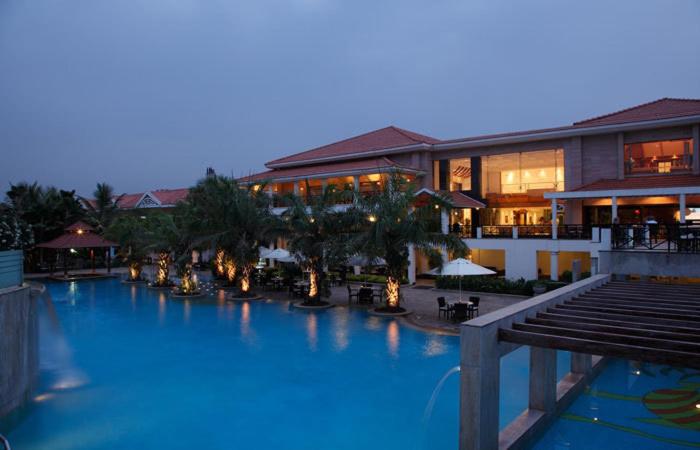





We provide a one-stop solution for all corporate offsite, events, and team outings - International & domestic. We curate experiences personalized to every company's need.